
East Africa's job market has never been more dynamic — or more demanding. From Kampala to Nairobi, Kigali to Dar es Salaam, a new generation of ambitious professionals is entering the workforce with higher expectations, greater digital literacy, and a hunger for growth that previous generations could only dream of. And yet, for all this energy, the competition is fierce. Hundreds of qualified candidates may apply for a single position at a reputable Ugandan employer. The question is no longer simply "do you have the right degree?" but "who are you, what can you do uniquely, and how do you continuously grow?"
Personal development — the intentional, ongoing process of improving yourself across all dimensions of professional and personal life — is the answer to that question. It is not a luxury for the elite, nor a trend for the young. It is a strategic imperative for every professional who wants to thrive in East Africa's 21st-century economy. Here are five proven steps to get you started and keep you growing.
Cultivate Deep Self-Awareness
Before you can develop yourself, you must know yourself. Self-awareness — the honest, reflective understanding of your strengths, weaknesses, values, emotional triggers, and behavioural patterns — is the bedrock of all meaningful personal development. Without it, you are likely to repeat the same patterns, misread feedback, and make career choices that do not align with who you truly are.
Building self-awareness in a Ugandan professional context requires both internal reflection and external feedback. Journaling is one of the most powerful and underused tools available: spending just 10 minutes each evening reflecting on what went well, what was challenging, and what you would do differently builds a rich understanding of your patterns over time.
Equally important is seeking honest feedback from those around you. This can be challenging in cultural environments where direct feedback to a peer — let alone a superior — is considered inappropriate. One strategy that works well in Ugandan contexts is structured peer feedback: asking a trusted colleague, "What is one thing I could do differently to be more effective in my role?" frames the request as future-focused and practical rather than critical.
Set SMART Goals with an East African Lens
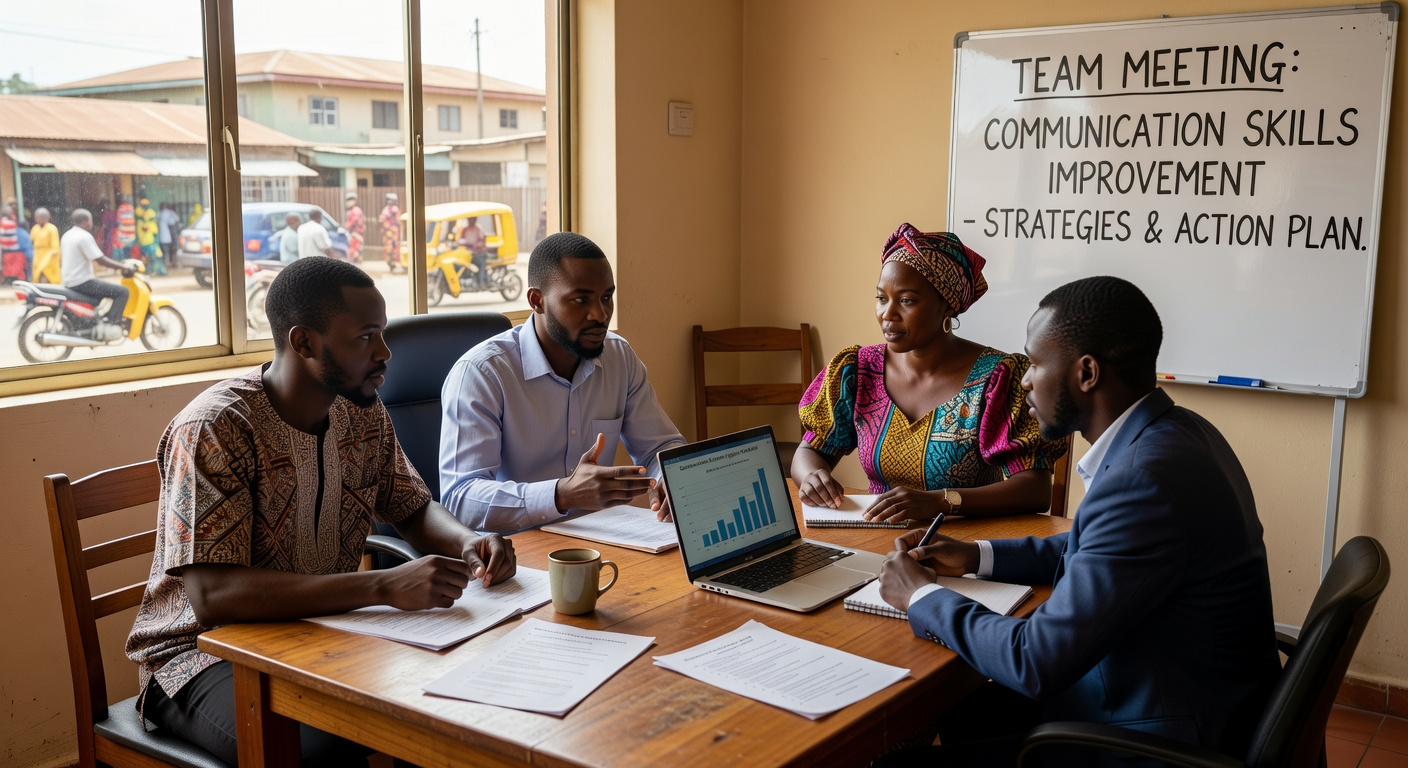
Goals without structure are wishes. The SMART framework — Specific, Measurable, Achievable, Relevant, Time-bound — is as applicable in Kampala as it is in Silicon Valley. But applying it effectively in our context means accounting for the realities of our environment: power outages, family obligations, infrastructure constraints, and the relational nature of how business gets done here.
A common mistake is importing goal-setting frameworks wholesale from Western business literature without adaptation. A goal to "network consistently" might mean attending weekly industry events in London; in Kampala, it might mean attending monthly UPROFEN or PSFU events, building WhatsApp relationships with sector contacts, or joining a professional chapter relevant to your field.
When setting your development goals, anchor them to your deepest values and your 5-year vision of professional life. Write them down — research by Dr. Gail Matthews of Dominican University found that people who write down their goals are 42% more likely to achieve them. Review your goals weekly, and do not be afraid to revise them when circumstances change. Flexibility in execution, combined with consistency of intent, is the hallmark of effective goal achievement.
Invest in yourself first. The world will respond to your growth in ways you cannot yet predict.
— Arise Consulting Uganda
Build a Strategic Professional Network in Kampala
In Uganda, as across sub-Saharan Africa, who you know matters enormously — not because merit is absent, but because trust is relational. Opportunities flow through networks of trusted relationships. A well-connected professional in Kampala has access to information, opportunities, and support that simply cannot be replicated by qualifications alone.
Strategic networking, however, is different from transactional networking. Rather than approaching professional relationships with an immediate "what can I get?" mindset, focus on how you can genuinely add value to others. Offer to share information, make introductions, participate in mentoring circles, or simply show up consistently and reliably to sector events.
Kampala's professional community — while growing rapidly — is still remarkably relationship-driven and accessible. LinkedIn is increasingly used by Ugandan professionals, but in-person relationships forged at events like the Kampala Innovation Week, Rotary Club of Kampala, and industry association meetings carry particular weight. Show up, be curious, follow up promptly, and play the long game.
Invest Deliberately in Skills Training
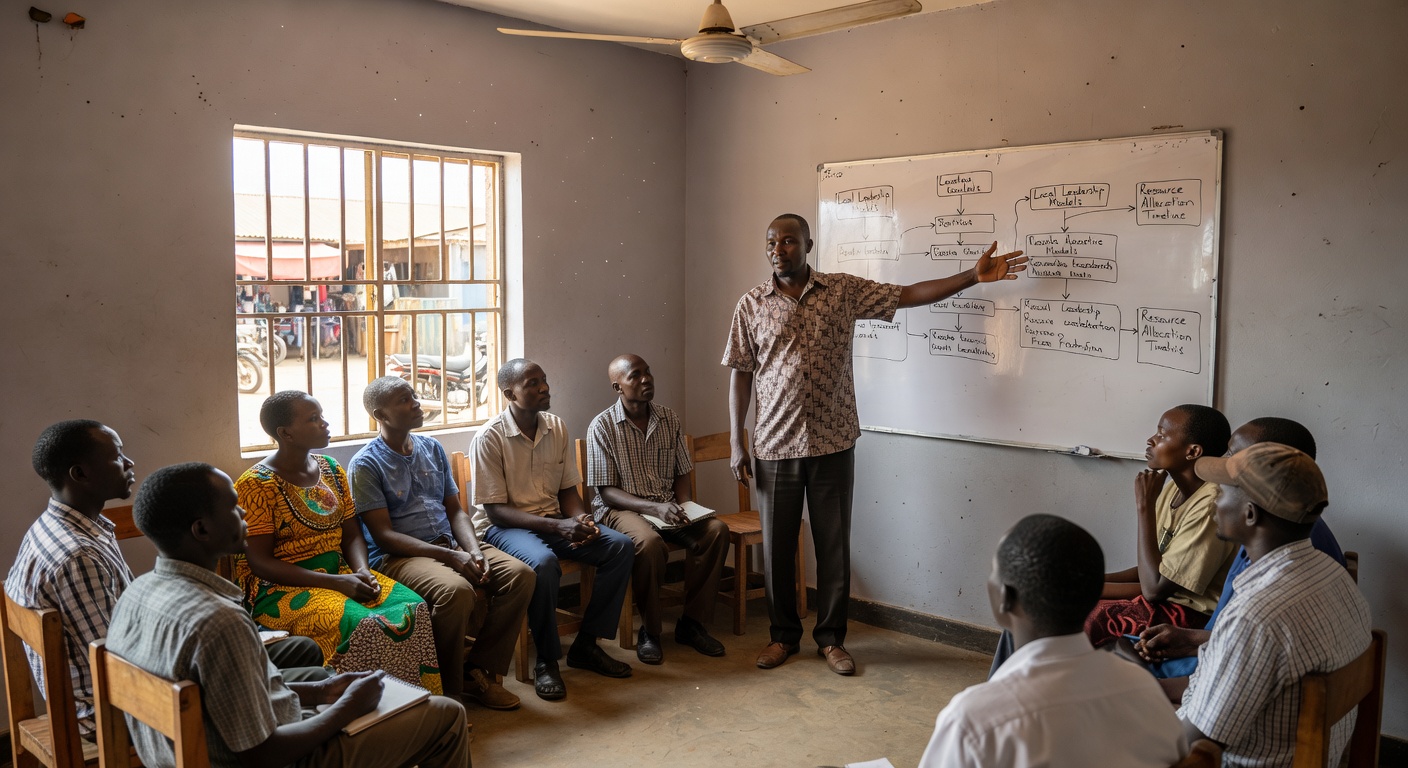
East Africa's most in-demand skills are evolving rapidly. Digital literacy, data analysis, project management, communication, and financial acumen are consistently cited by Ugandan employers as critical gaps. Professionals who proactively invest in these capabilities — through short courses, online certifications, on-the-job stretch assignments, or professional coaching — distinguish themselves in a crowded field.
The good news is that world-class learning has never been more accessible or affordable. Platforms like Coursera, edX, LinkedIn Learning, and Africa-specific providers offer courses that can be completed on a smartphone. The Ugandan government's Skilling Uganda initiative, various NGO-sponsored training programmes, and the growing ecosystem of private training institutions in Kampala all provide pathways for skills investment at various price points.
The key is to be deliberate. Identify the two or three skills that will have the greatest impact on your career trajectory in the next 24 months, and invest specifically in those. Avoid the temptation to accumulate certificates without deepening competence — employers and hiring managers are increasingly sophisticated in distinguishing between credentials and capability.
Find a Mentor and Commit to the Relationship
Mentorship is one of the most powerful accelerants of personal and professional growth available to any professional. A good mentor does not simply dispense advice; they challenge your assumptions, expand your network, provide honest feedback you might not get elsewhere, and help you navigate the unwritten rules of your industry or organisation.
In Ugandan professional culture, seeking a mentor can feel presumptuous — the same cultural norms around hierarchy that complicate communication also create hesitation about approaching senior professionals for guidance. But most experienced professionals, when approached respectfully and specifically, are genuinely willing to support someone they can see is serious about their growth.
When approaching a potential mentor, be specific about what you are asking for, why you have chosen them in particular, and what you are prepared to bring to the relationship. "I would value your perspective on navigating the telecommunications sector in Uganda" is more compelling than "I would like you to be my mentor." Start with a single coffee meeting, demonstrate commitment through preparation and follow-through, and let the relationship develop naturally over time.
Your Action Steps — Start This Week
- Spend 15 minutes writing down your honest assessment of your top 3 strengths and 3 areas for growth.
- Write one SMART personal development goal for the next 90 days. Put it where you will see it daily.
- Identify one professional event or community you will join or attend this month to expand your network.
- Research one skills training course relevant to your career goals and enrol — even a free online course counts.
- Write a list of three people in your field you admire and could approach as potential mentors. Reach out to one this week.
Personal development is not a destination; it is a practice. The professionals who thrive in East Africa's competitive job market are not necessarily the most naturally talented — they are the most intentional about their own growth. They invest in self-knowledge, set clear goals, build genuine relationships, develop relevant skills, and seek wisdom from those ahead of them on the path. The five steps outlined here are not complicated. But they require consistency, honesty, and courage. Begin today.
2 Comments
Joyce Namutebi
April 3, 2026 at 10:20 AM
This is exactly the type of practical guidance I needed. I've been stalling on finding a mentor for months because I didn't know how to approach someone senior without seeming forward. The specific advice here — starting with a focused question rather than asking someone to "be my mentor" — is a game-changer. Trying it this week!
Peter Okwir
April 5, 2026 at 3:44 PM
I completed a personal development coaching programme with Arise in January and the self-awareness work was genuinely transformative. I had never taken the time to write down my values and align my goals with them. Once I did, career decisions became much clearer. Great article, Patience — this covers the same ground that took me months to cover in a 9-minute read!
Leave a Comment